Why People End Up Back in the Hospital, and What Helps at Home

The Challenge of Returning Home After a Hospital Stay
Leaving the hospital after a serious illness or injury is often a relief for everyone involved. The focus shifts from the immediate health issue to recovering in the familiar comfort of home. However, for many older adults, the transition back can be fraught with challenges. It's a common scenario for individuals to find themselves back in the hospital surprisingly soon after discharge. Understanding why this happens and what practical steps can be taken at home is crucial for families in Northern Virginia striving to support their aging parents.
Returning home doesn't always mean a return to pre-hospital health levels. Often, there's a period of vulnerability where a person's strength, balance, and overall resilience are diminished. This can lead to new complications or a worsening of existing conditions, making the journey to full recovery more complex than anticipated.
Common Reasons for Readmission
Several factors contribute to an older adult needing to return to the hospital. These are often interconnected, creating a delicate balance that can be easily disrupted.
Incomplete Recovery or New Health Issues
Sometimes, the initial health concern isn't fully resolved at discharge, or the stress of the hospital stay itself can weaken the body, making it susceptible to new issues. For example, a person recovering from a pneumonia episode might still have lingering weakness that impacts their ability to move safely, leading to a fall. Dehydration or poor nutrition, if not adequately managed upon return home, can also lead to a decline that necessitates re-hospitalization.
Challenges with Following Post-Discharge Guidance
When leaving the hospital, families typically receive a wealth of information: instructions for specific exercises, recommendations for managing ongoing health conditions, and follow-up appointment schedules. For an older adult, especially one living alone or with cognitive changes, remembering and consistently following all these instructions can be overwhelming. Even well-meaning family members might struggle to keep track of every detail, particularly if they have their own work and family commitments.
Medication Management Mistakes
After a hospital stay, a person's regimen of ordered aids can change significantly. New aids might be added, dosages adjusted, or existing ones discontinued. The sheer volume and complexity of this information can lead to errors. Missing doses, taking too much, or misunderstanding how to properly administer aids are common issues. These mistakes can either hinder recovery or cause adverse effects that require professional attention.
Lack of Adequate Support at Home
Many older adults require more help at home than they or their families initially realize. Simple tasks like preparing meals, bathing, dressing, or moving around the house can become difficult and unsafe. Without consistent support, a person might neglect their basic needs, experience falls, or struggle to perform necessary recuperative activities. The absence of someone to regularly check in or provide hands-on assistance can quickly lead to a decline in well-being.
Nutritional and Hydration Challenges
Good nutrition and adequate hydration are fundamental to recovery, yet they are often overlooked. A person might have a reduced appetite after an illness, find it difficult to prepare nutritious meals, or simply forget to drink enough fluids. Dehydration and malnutrition can weaken the body, slow healing, and exacerbate other health conditions, making readmission more likely.
Environmental Hazards and Falls
The home environment, while familiar, can also present hidden dangers for someone recovering from an illness or injury. Loose rugs, poor lighting, cluttered pathways, or a lack of grab bars in the bathroom can increase the risk of falls. A fall, especially for an older adult, can lead to serious injuries, including fractures, which almost inevitably result in another hospital stay.
The Role of Skilled Care in Recovery
While Blue Haven Home Care Services LLC does not provide skilled care, it's important for families to understand when this type of support is necessary. Skilled care, which often involves a specially trained professional, is typically needed for tasks like wound care, managing an IV, or certain complex monitoring requirements. A doctor or hospital discharge planner can help families arrange for these specific kinds of support if they are needed after discharge. Families should always discuss the full scope of their loved one's care needs with their health care provider to ensure all aspects of recovery are covered.
When to Seek Guidance from a Doctor
It's vital for families to know when to contact their loved one's health care provider. Pay close attention to any new or worsening symptoms. This includes, but is not limited to:
- Changes in breathing: Shortness of breath, rapid breathing, or difficulty catching breath.
- Unusual pain: New, severe, or worsening pain that isn't relieved by comfort measures.
- Fever: Any temperature above the normal range, especially if accompanied by chills.
- Swelling: New or increased swelling in the legs, ankles, or abdomen.
- Changes in mental status: Increased confusion, disorientation, unusual drowsiness, or difficulty staying awake.
- Skin changes: Redness, warmth, drainage, or new open areas on the skin, especially around wounds.
- Significant fatigue or weakness: A sudden inability to perform daily activities or extreme tiredness.
- Digestive issues: Persistent nausea, vomiting, diarrhea, or constipation.
- Problems with ordered aids: Inability to take or use ordered aids as directed, or unusual reactions.
Always consult your loved one's doctor if you have any concerns about their health or recovery. Do not wait for symptoms to become severe. Your doctor is the best resource for guidance on your specific situation.
How Non-health-related Home Care Can Help Prevent Readmissions
Non-health-related home care plays a vital role in providing the practical, day-to-day support that can make the difference between a successful recovery at home and an avoidable return to the hospital. Blue Haven Home Care Services LLC offers compassionate, non-skilled assistance that supports the recuperation process.
Assistance with Activities of Daily Living (ADLs)
Caregivers can assist with essential daily tasks that become challenging during recovery. This includes help with bathing, dressing, grooming, and personal hygiene, ensuring cleanliness and comfort. Support with safe transferring and ambulation reduces the risk of falls, particularly when moving from a bed to a chair or walking to the bathroom.
Medication Reminders and Organization
While caregivers cannot administer aids, they can provide crucial reminders to take aids at the correct times. They can also help organize aid boxes, read labels aloud, and alert family members if there are any discrepancies or concerns about the aid regimen. This reduces the likelihood of missed doses or misunderstandings.
Meal Preparation and Nutritional Support
Caregivers can prepare nutritious meals tailored to individual dietary needs and preferences, ensuring the client receives adequate calories and nutrients vital for healing. They can also provide hydration reminders and assist with feeding if necessary, helping to prevent dehydration and malnutrition.
Light Housekeeping and Errand Services
Maintaining a clean and organized home environment is important for recovery. Caregivers can assist with light housekeeping tasks, such as tidying living areas, doing laundry, and washing dishes. They can also run errands, like grocery shopping or picking up medications, ensuring the home is well-stocked and essential items are available.
Transportation to Appointments
Attending follow-up appointments with doctors and other health care providers is critical for monitoring recovery and adjusting care plans. Caregivers can provide reliable transportation, ensuring clients get to their appointments safely and on time. They can also offer companionship and support during these visits.
Companionship and Supervision
Loneliness and isolation can negatively impact an older adult's recovery and overall well-being. Caregivers provide valuable companionship, engaging clients in conversation, light activities, and social interaction. For those with cognitive changes or mobility challenges, consistent supervision ensures safety and prompt attention if a problem arises.
Fall Prevention and Home Safety
Caregivers can actively contribute to a safer home environment by identifying potential hazards, ensuring pathways are clear, and assisting with safe movement. Their presence provides an extra layer of vigilance against falls and other accidents.
Communication and Observation
Caregivers are trained to observe changes in a client's condition or behavior. They act as an extra set of eyes and ears, communicating any concerns promptly to family members. This early detection of potential issues can allow for timely intervention and prevent minor problems from escalating into a need for re-hospitalization.
Creating a Comprehensive Post-Hospital Care Plan
A successful transition home requires thoughtful planning and coordination. Here are steps families can take:
- Engage with the Discharge Team: Work closely with hospital staff, including social workers and discharge planners, to understand all instructions and needs upon discharge.
- Review Instructions Thoroughly: Ensure you understand all guidance for ordered aids, follow-up appointments, and any specific activities or restrictions. Ask questions until everything is clear.
- Prepare the Home Environment: Before your loved one returns, assess the home for safety hazards. Ensure pathways are clear, lighting is adequate, and essential items are within easy reach.
- Arrange for Necessary Support: Determine what level of help your loved one will need. This might include family assistance, non-health-related home care, or skilled care services.
- Establish a Communication Plan: Decide how family members and caregivers will communicate about your loved one's condition and care needs.
- Schedule Follow-Up Appointments: Book all necessary doctor appointments before discharge, if possible, or immediately upon returning home.
Blue Haven Home Care Services LLC: Your Partner in Northern Virginia
Blue Haven Home Care Services LLC is a licensed non-health-related home care agency dedicated to supporting individuals and families in Northern Virginia, including Fairfax, Arlington, Loudoun, Prince William, and Alexandria. We understand the challenges of post-hospital recovery and are here to provide the compassionate, practical support that helps older adults remain safely and comfortably in their own homes. Our goal is to assist with daily living, support well-being, and help reduce the stress on families during this critical recovery period. Contact us to discuss how our services can be tailored to meet your family's specific needs. We are here to help your loved one thrive at home.
Keep reading
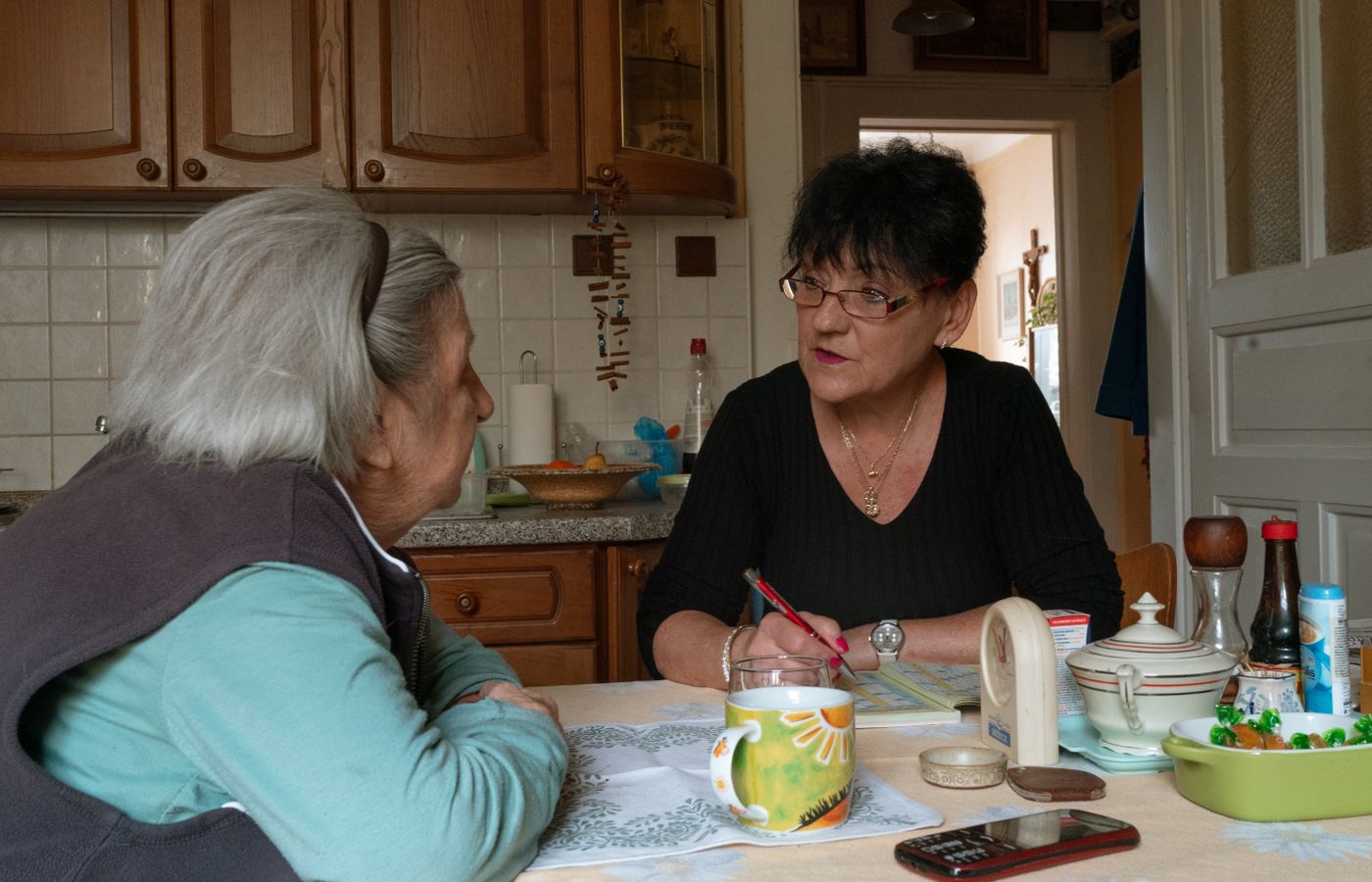
Getting a Parent Home From the Hospital: The First 72 Hours
Bringing an aging parent home from the hospital requires careful planning and observation. The first 72 hours are particularly crucial for a smooth transition and recovery. This guide offers practical advice for families in Northern Virginia.
What to Ask at a Hospital Discharge Meeting
A hospital discharge meeting is crucial for planning an aging parent's return home after a hospital stay. Knowing the right questions to ask can significantly ease this transition and help you arrange necessary care and support.
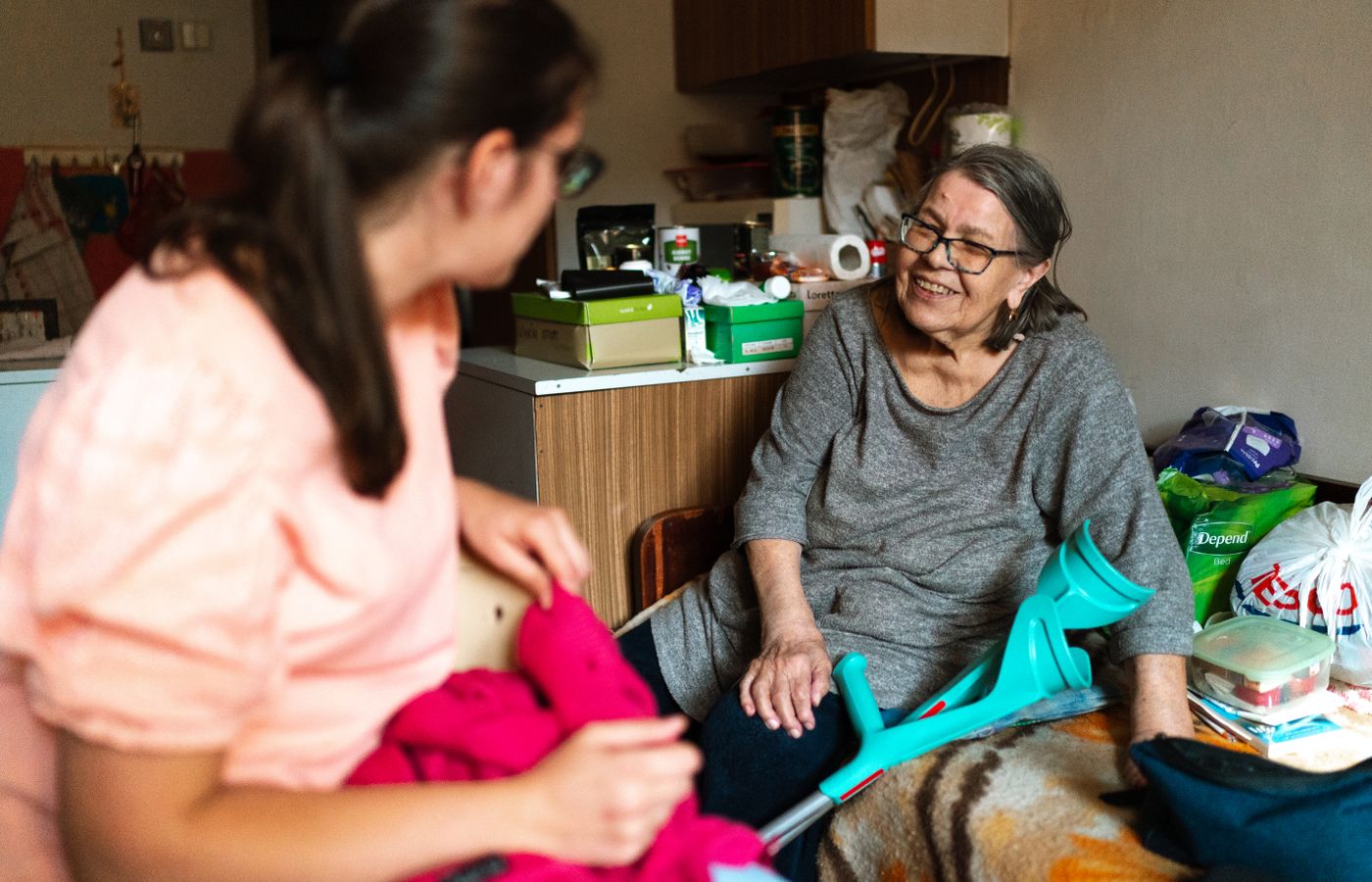
Home After a Hip Fracture: What the First Month Looks Like
Bringing an aging parent home after a hip fracture requires careful planning. This guide details what to expect and how to prepare for the first month of recovery.