Home After a Hip Fracture: What the First Month Looks Like
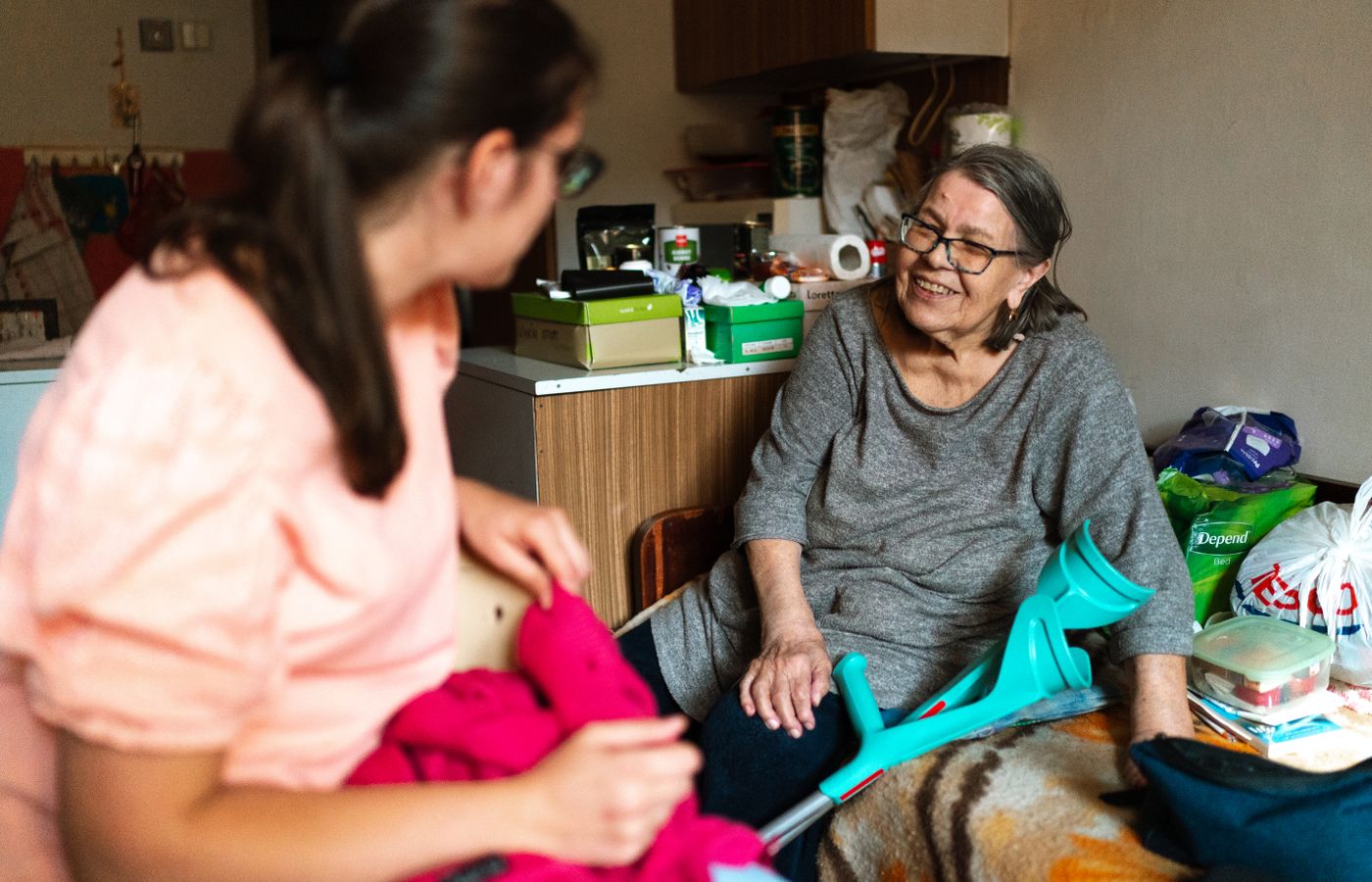
The First Month Home After a Hip Fracture: A Family's Guide in Northern Virginia
Bringing an aging parent home after a hip fracture can feel overwhelming for families. The focus quickly shifts from the hospital stay to the practical realities of daily life during recovery. This guide outlines what to expect in the first month, offering practical advice for families in Northern Virginia to support their loved one's return home.
Understanding the Road Ahead
A hip fracture is a serious event, and recovery is a process that unfolds over time. The first month is critical for establishing routines, managing comfort, and preventing complications. Your parent will likely be returning home with specific recommendations from their health care providers about movement, weight-bearing, and follow-up appointments.
It is important to remember that each individual's recovery pace is unique. Factors like age, overall health, and the type of fracture can influence how quickly someone regains strength and mobility. Patience and consistent support from family are key during this period.
Home Safety and Accessibility Adjustments
Before your parent arrives home, it's essential to assess and modify their living space to enhance safety and ease of movement. This proactive step can significantly reduce the risk of falls, which are a major concern during hip fracture recovery.
Consider these adjustments:
- Clear Pathways: Remove clutter, throw rugs, and any obstacles from walking paths, especially in areas like bedrooms, bathrooms, and living rooms.
- Grab Bars: Install grab bars in the bathroom, particularly near the toilet and in the shower or tub area. These provide crucial support for transfers.
- Elevated Toilet Seat: A raised toilet seat can make using the toilet much easier and safer by reducing the distance to sit down and stand up.
- Shower Chair or Bench: For showering, a sturdy shower chair or bench allows your parent to sit safely, conserving energy and reducing fall risk.
- Handrails: Ensure staircases have secure handrails on both sides if stairs cannot be avoided entirely. Ideally, arrange for living on one level during initial recovery.
- Lighting: Improve lighting throughout the home, especially at night. Nightlights in hallways, bedrooms, and bathrooms are very helpful.
- Furniture Arrangement: Reposition furniture to create wider pathways. Ensure frequently used items are within easy reach to minimize bending and reaching.
- Removal of Slippery Surfaces: Consider non-slip mats for areas that might get wet, like the bathroom floor.
These modifications don't have to be permanent. Many can be implemented temporarily to support recovery and then removed later.
Assistance with Daily Activities
During the first month, your parent will need significant assistance with many daily tasks that were once routine. This is due to pain, limited mobility, and precautions related to the healing hip. It's helpful to anticipate these needs and plan for how they will be met.
Areas where assistance is commonly needed include:
- Personal Care: Bathing, dressing, grooming, and using the toilet. Your parent may need help getting in and out of the shower, reaching clothing, or managing personal hygiene.
- Mobility: Moving from bed to chair, walking with an assistive device (like a walker or crutches), and transferring in and out of a car. A physical rehabilitation specialist will provide specific guidance on safe movement.
- Meal Preparation: Shopping for groceries, preparing meals, and carrying food. Having meals delivered or prepared in advance can be very helpful.
- Light Housekeeping: Keeping the home tidy, laundry, and other chores will likely be difficult or impossible for your parent initially.
- Medication Reminders: Although you cannot administer medications, you can help by organizing medications, setting reminders, and ensuring they are taken as directed by their physician.
Families often find that one person cannot manage all these responsibilities alone. Discussing a care plan with other family members, friends, or considering professional in-home support can ease the burden.
Follow-Up Care and Appointments
The first month will involve several follow-up appointments and ongoing care. It's crucial to keep track of these and ensure your parent attends them.
- physical rehabilitation: This is a cornerstone of hip fracture recovery. A physical rehabilitation specialist will guide your parent through exercises to regain strength, balance, and mobility. They will also instruct on safe movement techniques. Consistency with these exercises, both during sessions and at home, is vital.
- occupational rehabilitation: An occupational rehabilitation specialist can help your parent adapt to daily tasks, suggesting adaptive equipment or new ways of performing activities like dressing or cooking to protect the hip.
- Follow-up with Surgeon/Physician: Regular check-ups with the orthopedic surgeon or primary care physician are essential to monitor healing, assess pain management, and address any concerns.
Transportation to these appointments can be a challenge. Families might need to coordinate rides, use ride-sharing services that accommodate assistive devices, or explore local transportation options like Fairfax County Adult & Aging Services, Fastran, or Metro Access.
Pain Management and Comfort
Managing pain is an important part of recovery. Your parent's physician will recommend appropriate strategies. It's important to communicate any changes in pain levels or discomfort to their health care provider.
Beyond ordered options, consider these comfort measures:
- Proper Positioning: Help your parent find comfortable positions in bed or a chair that align with any hip precautions. Pillows can be useful for support.
- Regular Rest: Adequate rest is crucial for healing. Encourage scheduled rest periods throughout the day.
- Hydration and Nutrition: Ensure your parent is well-hydrated and consuming a nutritious diet to support bone healing and overall recovery.
- Emotional Support: A hip fracture and subsequent recovery can be emotionally taxing. Offer reassurance, listen to their concerns, and celebrate small victories.
Recognizing Potential Complications
While focused on recovery, it's also important to be aware of potential complications that can arise after a hip fracture, especially in the first month. Early recognition and communication with a health care provider are essential.
Watch for signs of:
- Infection: Redness, swelling, increased pain, warmth around the incision site, or fever.
- Blood Clots: Swelling, pain, or tenderness in the calf or thigh, or sudden shortness of breath.
- Pneumonia: Shortness of breath, cough, or fever.
- Changes in Mental Status: Increased confusion or disorientation.
- Pressure Sores: Red or tender areas on the skin, especially over bony prominences.
Report any concerning changes promptly to your parent's doctor. Do not hesitate to seek guidance from a doctor if you notice any of these signs.
When to Seek Guidance from a Doctor
It is vital to maintain open communication with your parent's doctor and other health care providers throughout the recovery period. Do not hesitate to reach out if you have concerns. Here are some situations where you should contact their doctor:
- Sudden increase in pain or pain that is not managed by current strategies.
- New or worsening swelling, redness, or warmth around the hip or incision site.
- Fever of 101°F (38.3°C) or higher.
- Signs of a blood clot, such as swelling, pain, or tenderness in the leg, or sudden shortness of breath.
- New or increased confusion or disorientation.
- Significant difficulty with bowel movements or urination.
- Unexplained bruising or skin changes.
- Any fall, even a minor one, after returning home.
- Concerns about the effectiveness of physical rehabilitation or difficulty performing exercises.
- Any new symptoms that concern you.
Your parent's doctor is the best resource for addressing any health concerns during this critical recovery phase.
The Role of In-Home Support
For many families in Northern Virginia, providing comprehensive care during the first month after a hip fracture can be challenging, especially when balancing personal responsibilities. Professional in-home care services can offer valuable support.
Non-skilled care can assist with many aspects of daily life, such as:
- Personal Care Assistance: Help with bathing, dressing, grooming, and hygiene.
- Mobility Support: Assistance with safe transfers, walking, and exercises as directed by a physical rehabilitation specialist.
- Meal Preparation: Planning and preparing nutritious meals.
- Light Housekeeping: Keeping the living environment safe and tidy.
- Companionship: Providing social interaction and supervision to prevent isolation.
- Transportation: Assisting with transportation to and from appointments.
- Respite for Family Caregivers: Allowing family members to rest and attend to their own needs, knowing their loved one is in good hands.
Services from a licensed non-health-related home care agency, like Blue Haven Home Care Services LLC, can be tailored to your parent's specific needs, providing peace of mind and supporting a smoother recovery. These services are often paid for privately, through long-term care insurance, or potentially through programs like the Virginia Medicaid CCC Plus waiver or VA Aid & Attendance benefits, for which eligibility requirements apply. It is advisable to contact providers directly for current rates and information.
Looking Ahead: Beyond the First Month
The first month is a period of intense adjustment and healing. While significant progress is often made, recovery continues well beyond this initial phase. As your parent regains strength and confidence, their needs for assistance may change. Continue to adapt the home environment and care plan as their capabilities improve.
Supporting a parent through hip fracture recovery is a marathon, not a sprint. With careful planning, consistent support, and the right resources, you can help your loved one achieve the best possible outcome and return to a fulfilling life at home.
Keep reading

Getting a Parent Home From the Hospital: The First 72 Hours
Bringing an aging parent home from the hospital requires careful planning and observation. The first 72 hours are particularly crucial for a smooth transition and recovery. This guide offers practical advice for families in Northern Virginia.

What to Ask at a Hospital Discharge Meeting
A hospital discharge meeting is crucial for planning an aging parent's return home after a hospital stay. Knowing the right questions to ask can significantly ease this transition and help you arrange necessary care and support.

Why People End Up Back in the Hospital, and What Helps at Home
Discover why older adults often return to the hospital shortly after discharge and explore effective home care strategies that can make a significant difference in their recovery and well-being.