A Typical Day With In-Home Dementia Support
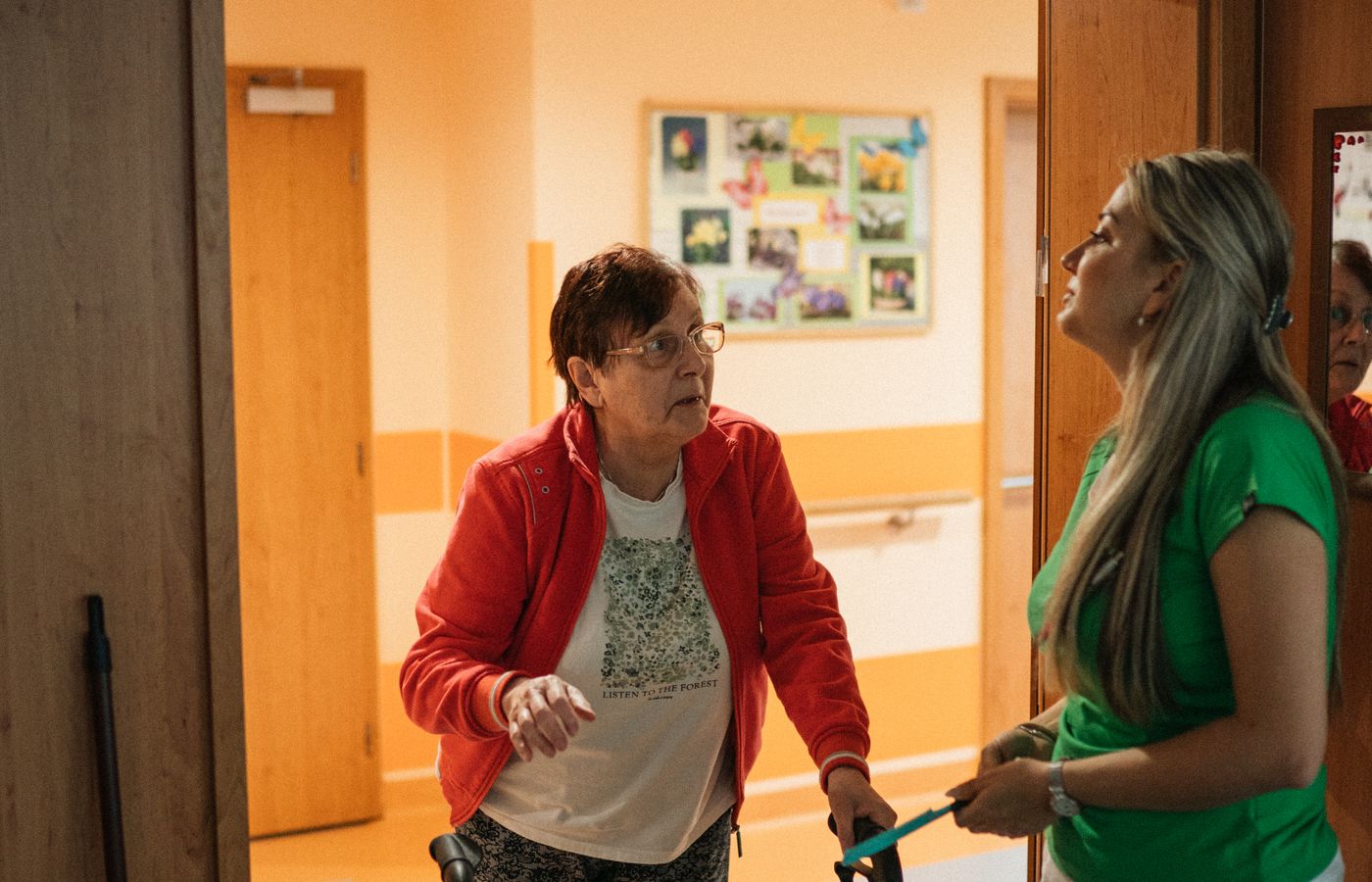
Understanding Dementia Care at Home
When a loved one is living with dementia, their daily life changes in many ways. Families often find themselves trying to balance their own responsibilities with providing the consistent, compassionate support their loved one needs. In-home care can be a valuable resource, offering specialized assistance that helps maintain a sense of normalcy and enhances quality of life right in the comfort of their own home.
This article outlines what a typical day with in-home dementia support might look like. It's important to remember that every individual with dementia is unique, and care plans are always tailored to their specific needs, preferences, and the stage of their cognitive journey. However, there are common elements of support that professional caregivers provide to create a structured, supportive, and engaging environment.
The Morning Routine: Gentle Awakening and Personal Care
The day often begins with a gentle awakening. For someone with dementia, waking up in an unfamiliar environment or being rushed can cause confusion or distress. An in-home caregiver understands this and approaches the morning calmly and calmly.
Assisting with Personal Hygiene
Caregivers assist with personal care tasks, respecting the individual's dignity and promoting as much independence as possible. This might include:
- Dressing: Helping choose weather-appropriate clothing and assisting with fasteners, which can become challenging. Caregivers might lay out clothes in the order they are to be put on to simplify the process.
- Grooming: Assisting with hair care, oral hygiene, and shaving. These routines provide a sense of structure and normalcy.
- Bathing: Providing support and supervision during bathing, ensuring safety in the bathroom and making the experience as comfortable and private as possible. This includes setting up the bathroom, checking water temperature, and offering steadying assistance.
Throughout these tasks, caregivers engage in supportive communication, explaining each step clearly and offering reassurance. They observe for any changes in skin condition, mood, or physical ability that might need to be noted.
Preparing a Nutritious Breakfast
Breakfast is a crucial meal to start the day. Caregivers will prepare and serve a nutritious and appealing breakfast, keeping in mind any dietary preferences or restrictions. This might involve:
- Meal Preparation: Cooking a simple, healthy breakfast like oatmeal, eggs, or fruit. They ensure the meal is easy to eat and cut into appropriate sizes if needed.
- Medication Reminders: Assisting with timely reminders for any morning medications. They can help organize pillboxes and ensure the individual takes their ordered doses as directed by their physician.
- Hydration: Encouraging fluid intake throughout the morning to prevent dehydration, which can be a common issue for older adults, especially those with cognitive changes.
Mid-Morning Engagement and Activities
After breakfast, the mid-morning hours are often dedicated to engaging activities that stimulate the mind and body, tailored to the individual's cognitive abilities and interests. The goal is to provide meaningful engagement, not just to pass the time.
Cognitive Stimulation
Caregivers facilitate activities that help maintain cognitive function and provide enjoyment. These might include:
- Puzzles and Games: Working on jigsaw puzzles, simple board games, or memory games.
- Reading and Discussion: Reading aloud from newspapers, books, or magazines, followed by gentle discussions.
- Music Appreciation: Listening to favorite music, which can be particularly soothing and evoke positive memories.
- Reminiscence: Looking through old photo albums, talking about past events, or discussing family history. This can be very comforting and help connect individuals to their personal narrative.
Light Physical Activity
Staying physically active is important for overall health and can help improve sleep and mood. Caregivers can encourage and assist with light activities:
- Gentle Walks: Taking short, supervised walks outdoors, weather permitting, or indoors.
- Chair Exercises: Leading simple stretches or exercises that can be done while seated.
- Household Tasks: Engaging the individual in light household chores they enjoy and are capable of, such as folding laundry, watering plants, or dusting.
Lunch and Afternoon Respite
Lunchtime follows a similar pattern to breakfast, with the caregiver preparing a healthy meal and ensuring good hydration.
Post-Lunch Relaxation
The afternoon can be a time for rest and quieter activities, especially as fatigue can be more pronounced for individuals with dementia.
- Quiet Time: Encouraging a nap or quiet relaxation in a comfortable chair.
- Hobbies: Engaging in hobbies like knitting, gardening, or listening to audiobooks.
- Errands or Outings: If appropriate and planned, the caregiver might assist with a short outing, such as a visit to a park, a senior center, or a short trip for groceries, providing stimulation and a change of scenery. These outings are carefully managed to ensure the individual's comfort and safety.
The Evening Routine: Dinner and Winding Down
As the day winds down, the focus shifts to creating a calm and reassuring environment that promotes good sleep.
Dinner Preparation and Engagement
Dinner is another opportunity for a balanced meal and social interaction.
- Meal Preparation: Preparing a light and easily digestible dinner.
- Conversation: Engaging in pleasant conversation during dinner, recalling positive moments from the day, and creating a peaceful atmosphere.
Preparing for Bed
The evening routine is crucial for helping an individual with dementia transition smoothly to bedtime.
- Hygiene and Comfort: Assisting with evening personal care, such as brushing teeth, changing into pajamas, and ensuring comfort.
- Quiet Activities: Reading a story, listening to calming music, or simply sitting quietly together.
- Environment: Ensuring the bedroom is dark, quiet, and at a comfortable temperature. A nightlight can be helpful to prevent confusion if the individual wakes up during the night.
- Medication Reminders: Assisting with any evening medication reminders as directed by their physician.
The Importance of Routine and Consistency
One of the most valuable aspects of in-home dementia support is the ability to establish and maintain a consistent daily routine. For individuals with dementia, predictability reduces anxiety and confusion, fostering a sense of security and well-being. Caregivers work to follow these routines closely, making adjustments only when necessary and always with gentle communication.
Consistency also extends to the caregiver themselves. While various caregivers might be involved, efforts are made to provide familiar faces, allowing for the development of trust and rapport, which is essential for effective care.
Ensuring Safety and Security
Safety is a paramount concern for families of individuals with dementia. In-home caregivers are trained to identify and mitigate potential hazards within the home environment. This includes:
- Fall Prevention: Ensuring clear pathways, proper lighting, and assisting with transfers.
- Wandering Prevention: Monitoring entrances and exits, especially for those prone to wandering, and ensuring that appropriate safety measures are in place.
- Supervision: Providing constant supervision to prevent accidents and respond quickly to any needs.
- Emergency Preparedness: Knowing how to respond in an emergency and having access to emergency contact information.
When to Seek Guidance from a Doctor
While in-home caregivers provide invaluable daily support, it's important for families to regularly consult with their loved one's doctor about their overall health. Caregivers can assist by observing and reporting any changes they notice, such as:
-
Significant changes in mood or behavior, like increased agitation, withdrawal, or new anxieties.
-
Changes in appetite or fluid intake, which could lead to dehydration or weight loss.
-
Increased confusion or disorientation beyond what is typical for their stage of dementia.
-
New physical symptoms, such as pain, difficulty walking, or changes in sleep patterns.
-
Concerns about medication effectiveness or side effects.
Regular check-ups and open communication with the doctor ensure that any health concerns are addressed promptly and that the care plan remains appropriate for the individual's evolving needs.
Beyond Daily Tasks: The Relationship with the Caregiver
Beyond the structured routine, a significant benefit of in-home dementia support is the companionship and emotional connection a skilled caregiver provides. They are a consistent, compassionate presence, offering reassurance, understanding, and a friendly face. This relationship can significantly reduce feelings of loneliness and isolation, promoting emotional well-being for both the individual and their family.
Caregivers also provide essential respite for family members, allowing them to attend to their own needs, run errands, or simply rest, knowing their loved one is in capable hands. This support is crucial for preventing caregiver burnout.
Arranging In-Home Dementia Support in Northern Virginia
If you are considering in-home dementia support for a loved one in Northern Virginia (Fairfax, Arlington, Loudoun, Prince William, Alexandria), Blue Haven Home Care Services LLC is here to help. Our team works closely with families to develop personalized care plans that address specific needs and preferences.
We encourage you to reach out to discuss your situation. We can provide information on how our services integrate into daily life, support safety, and enhance the well-being of individuals living with dementia.
Understanding Costs and Resources
In-home care costs can vary based on the level and frequency of services needed. Agencies typically charge an hourly rate, which can range widely depending on the region and the specific care required. It's always best to contact a licensed agency directly for current rates and to discuss your particular situation.
Financial assistance options may be available for qualifying individuals. These can include:
- Virginia Medicaid (DMAS) CCC Plus waiver: This program may help cover the costs of home and community-based services for eligible individuals.
- VA Aid & Attendance benefits: For qualifying veterans and their surviving spouses, these benefits can help offset the cost of in-home care.
- Long-Term Care Insurance: If your loved one has a long-term care insurance policy, it may cover a portion of in-home care expenses.
- Fairfax County Adult & Aging Services: Local county resources often provide information and referrals for care options and financial assistance programs.
We recommend exploring these resources and speaking with a financial advisor or a benefits specialist to understand the best options for your family. Blue Haven Home Care Services LLC is a licensed non-health-related home care agency in Fairfax, Virginia, serving all of Northern Virginia, and we are committed to providing transparent information to help you make informed decisions about your loved one's care. Contact us today to learn more about how we can support your family.
Keep reading

Is It Dementia, or Normal Aging? What Families Notice First
Distinguishing between typical age-related changes and early signs of dementia can be challenging for families. This article explores common observations families make and provides guidance on when to seek professional advice.

Talking With Someone Who Has Alzheimer's: What Helps at Each Stage
Communicating with a loved one who has Alzheimer's can be challenging as the disease progresses. Understanding how communication changes at each stage can help families maintain connection and provide better care.

Alzheimer's Early, Middle, and Late Stages: How Support Changes
Alzheimer's disease brings gradual changes that affect daily life. Understanding the stages of this condition can help families plan for evolving care needs and provide the best possible support for their loved ones.