Adult Day Programs and Senior Centers in Fairfax County

Understanding Adult Day Programs and Senior Centers in Fairfax County
As loved ones age, families often seek ways to provide supportive care while promoting independence and social engagement. Adult day programs and senior centers in Fairfax County offer excellent resources to achieve these goals. These programs provide structured activities, supervision, and companionship in a safe, community-based setting, offering a valuable option for both the older adult and their family caregivers.
While both types of centers serve older adults, they often have distinct focuses. Senior centers typically offer a wider array of recreational and social activities for independent seniors, whereas adult day programs often cater to individuals who may need more supervision or personal care assistance due to cognitive or physical limitations. Understanding the differences can help families choose the most appropriate option.
Benefits for Older Adults and Their Families
Participating in an adult day program or senior center offers numerous advantages for older adults. For many, these programs combat social isolation, a significant concern for seniors living alone or with limited mobility. The structured environment provides opportunities for social interaction, forming new friendships, and maintaining a sense of community.
Regular engagement in stimulating activities can also help maintain cognitive function and physical abilities. Programs often include exercises, memory-enhancing games, creative arts, and educational sessions. This consistent engagement can contribute to a better quality of life and may even help delay the progression of some age-related challenges.
For family caregivers, these programs offer crucial respite. Caring for an aging parent can be demanding, and having a safe, supportive place for your loved one during the day allows caregivers time to attend to personal needs, work, appointments, or simply rest and recharge. This respite can reduce caregiver stress and burnout, ultimately strengthening the family's ability to provide long-term care.
Types of Adult Day Programs
Fairfax County offers a range of adult day programs, each designed to meet varying levels of need. These generally fall into two main categories:
Adult Day Social Programs: These programs focus primarily on social engagement and recreational activities. They are suitable for older adults who are generally independent but benefit from structured social interaction and supervision. Activities might include group discussions, games, music, arts and crafts, and outings. Personal care assistance is typically minimal, often limited to standby assistance for mobility or reminding individuals about personal care.
Adult Day Health Programs: These programs provide a higher level of oversight and support. They are designed for individuals who may have more significant cognitive impairments, such as dementia, or physical limitations that require more frequent assistance with activities of daily living (ADLs), such as eating, toileting, or transferring. While still emphasizing social engagement, these programs offer more structured personal support. They often have higher staff-to-client ratios and staff trained to assist with more complex needs. Some programs may also offer services like medication reminders or observation of general well-being.
It's important to assess your loved one's specific needs and capabilities when considering which type of program would be most beneficial.
What to Expect at a Senior Center
Senior centers in Fairfax County serve as vibrant community hubs for older adults. They are generally designed for individuals who are largely independent and looking for social, recreational, and educational opportunities. While some centers may offer a lunch program or occasional personal support, their primary focus is on enrichment and community building.
Activities at senior centers are diverse and might include:
- Fitness classes: Yoga, tai chi, strength training, walking groups.
- Educational workshops: Topics like healthy eating, financial planning, technology use, local history.
- Creative arts: Painting, pottery, quilting, writing groups.
- Social gatherings: Card games, book clubs, dance classes, holiday celebrations.
- Volunteer opportunities: Engaging seniors in giving back to their community.
- Hot meal programs: Often available for a nominal fee or donation.
Senior centers are excellent for fostering connections, learning new skills, and maintaining an active lifestyle. They are less focused on direct personal care and more on providing an engaging environment for independent seniors.
How to Choose the Right Program
Selecting the best program for your loved one involves careful consideration of several factors:
- Assess Your Loved One's Needs: Consider their current cognitive abilities, physical limitations, social preferences, and any specific support they require, such as assistance with eating or using the restroom. Do they thrive in large groups or prefer smaller settings? Do they need consistent reminders or supervision?
- Location and Transportation: Proximity to home is often a key factor. Inquire about transportation options. Some programs may offer transportation services, or you may need to arrange it through services like Fastran or Metro Access, or family members.
- Program Activities: Review the daily schedule. Do the activities align with your loved one's interests and abilities? Are there opportunities for both mental and physical engagement? For adult day health programs, ensure there are appropriate activities for individuals with varied cognitive levels.
- Staff Qualifications and Ratios: In adult day programs, inquire about staff training and the staff-to-client ratio. For individuals needing more assistance, a lower ratio ensures more individualized attention. Look for staff who are understanding and client.
- Facility Environment: Visit the center. Is it clean, safe, and welcoming? Is there adequate space for activities and rest? Is it accessible for individuals with mobility challenges?
- Meals and Snacks: Ask about the meal schedule and options. Are dietary restrictions accommodated? Are meals nutritious and appealing?
- Cost and Payment Options: Understand the fees and what they include. Explore funding assistance options, which are discussed in detail below.
It is highly recommended to visit several programs and, if possible, arrange a trial day for your loved one to experience the environment firsthand.
Cost and Funding Assistance
The cost of adult day programs can vary widely depending on the type of program, the services offered, and the number of days per week your loved one attends. Senior centers, especially those operated by Fairfax County, often have lower fees, sometimes operating on a donation basis for certain services like meals.
Adult day programs typically charge daily or weekly rates. When inquiring about costs, ask for a complete breakdown of all fees, including any additional charges for transportation, special activities, or personal care supplies.
Several avenues for funding assistance may be available:
- Virginia Medicaid (DMAS CCC Plus Waiver): For eligible individuals, Virginia's Medicaid CCC Plus Waiver program can cover the cost of adult day services. This waiver is designed for individuals who need a skilled care facility level of care but wish to remain in their homes or communities. Eligibility involves financial and functional assessments. Contact your local Department of Social Services or the Virginia Department of health-related Assistance Services (DMAS) for detailed information.
- VA Aid & Attendance Benefit: Eligible veterans or their surviving spouses who require the aid and attendance of another person for daily living may qualify for this benefit, which can help cover the cost of care, including adult day services. The Department of Veterans Affairs (VA) administers this program.
- Long-Term Care Insurance: If your loved one has a long-term care insurance policy, review its terms carefully. Many policies include coverage for adult day services.
- Fairfax County Adult & Aging Services: This department can provide information and referrals to local programs and potential funding sources. They also offer various support services for caregivers.
- Private Pay: Many families pay for adult day services directly out-of-pocket.
It is essential to contact the relevant agencies or program administrators directly to understand current eligibility requirements and benefit amounts, as these can change.
Important Considerations for a Health Care Provider
When considering an adult day program or senior center, it is always wise to discuss this decision with your loved one's health care provider. They can offer guidance on whether a program is appropriate given your loved one's overall health status, cognitive abilities, and any specific support needs.
Your doctor can help you understand if there are any particular health considerations that might impact participation, such as specific dietary needs, mobility challenges, or cognitive changes that require a higher level of structured support. They can also advise on how a consistent schedule and social engagement might positively impact your loved one's general well-being.
Enrolling in a Program
The enrollment process for adult day programs usually involves an initial assessment. This assessment helps the program staff understand your loved one's needs, preferences, and any specific support required. It also allows the program to determine if they can safely and appropriately meet those needs within their setting. This might include reviewing health history and discussing daily routines and habits.
For senior centers, the enrollment process is often simpler, typically involving registration and completion of basic intake forms. Some classes or activities may require separate sign-ups.
During the assessment or registration process, be open and thorough about your loved one's abilities and challenges. This ensures the program can provide the best possible experience and support.
Practical Next Steps
- Research Locally: Begin by searching for "adult day programs Fairfax County" and "senior centers Fairfax County" online. Create a list of potential options.
- Contact Programs: Call the programs that seem like a good fit. Ask about their services, typical daily schedules, staff-to-client ratios, transportation, meals, and costs.
- Schedule Visits: Plan visits to your top choices. Go with your loved one if possible, and observe the environment, staff interaction, and activities. Ask to see their licensing documentation if it's an adult day program.
- Trial Period: Inquire about a trial visit or a few trial days. This can be invaluable in determining if the program is a good match for your loved one.
- Consult Your Loved One's Doctor: Discuss your chosen program with their health care provider to ensure it aligns with their overall care plan.
- Explore Funding: Contact Fairfax County Adult & Aging Services, Virginia DMAS, or the VA to inquire about potential financial assistance. If your loved one has long-term care insurance, review their policy.
Choosing an adult day program or senior center is a significant decision. Taking the time to research, visit, and assess will help you find a supportive and engaging environment that benefits both your aging parent and your family. Remember, Blue Haven Home Care Services LLC is here to offer in-home support, and we often work in conjunction with these community resources to provide comprehensive care for seniors in Northern Virginia.
Keep reading
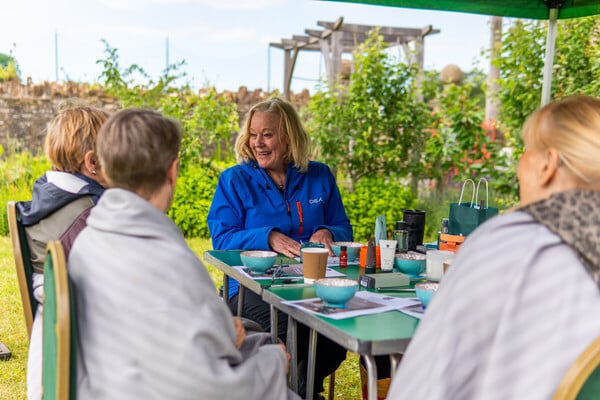
Fairfax County Services for Older Adults: A Starting Guide
Navigating available resources for older adults can be a complex task for families. This guide provides a clear starting point for understanding and accessing essential services in Fairfax County, Virginia.
Getting Around Without Driving in Northern Virginia
When an aging parent can no longer drive, finding reliable transportation becomes a key concern for families. This guide outlines various options and resources available in Northern Virginia to help seniors stay connected and independent.